What Is the R-Value of a Spray Foam Roof? Energy Savings Explained
On a large commercial building, the roof is one of the biggest drivers of energy cost — and one of the biggest opportunities to cut it. A spray foam roof is unusual in that it attacks energy loss two ways at once: high R-value insulation and reflective 'cool roof' performance. Here's what that actually means for your energy bills.
The R-value: about R-6.5 per inch
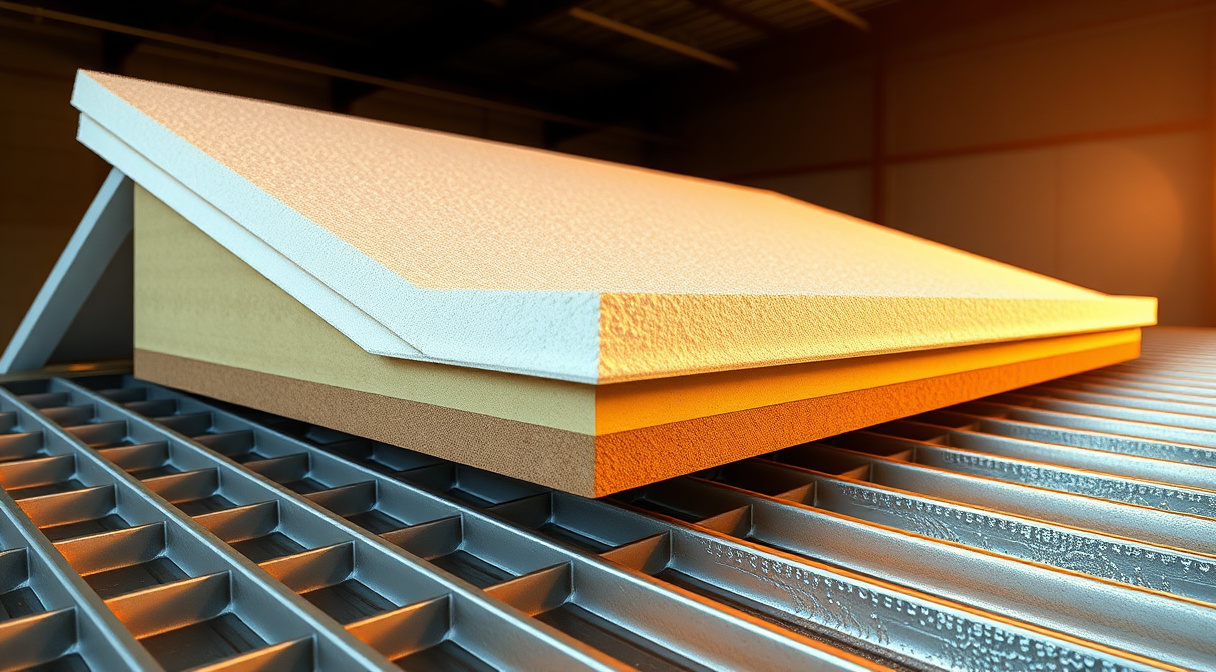
Closed-cell spray polyurethane foam provides roughly R-6.5 per inch — among the highest R-values of any insulation used in roofing. And because the foam is sprayed as a continuous layer, there are no gaps, seams, or fasteners creating thermal bridges the way there are in board-insulation-plus-membrane systems. You choose the thickness, so you can dial in as much R-value as your energy goals justify — and you get it in the same step that waterproofs the roof.
For a building with little existing roof insulation, adding a few inches of continuous foam can transform how much heat moves through the roof, cutting both winter heat loss and summer heat gain.
The reflectivity: a cool roof
The second half of the equation is the coating. A bright white elastomeric coating reflects a large portion of the sun's energy instead of letting the roof absorb it. On a hot day, a dark absorptive roof can reach extreme surface temperatures that drive heat into the building; a reflective cool roof stays far cooler. That directly reduces the cooling load — the single biggest energy cost for many commercial buildings in warm climates.
How much can it save?
The exact savings depend on your building, climate, and current insulation, but the combination of high-R-value foam and a reflective coating can meaningfully reduce both cooling and heating loads — with the biggest gains on large flat roofs in hot climates that previously had little insulation. Because those savings recur every month, they offset a real share of the roof's cost over its long, renewable life.
Cooler roofs last longer, too
Reflectivity isn't only about energy bills — it also extends the roof's life. A dark roof that bakes in the sun expands and contracts through big daily temperature swings, and that thermal cycling stresses the materials. A reflective cool roof runs much cooler and cycles less, reducing wear. Energy efficiency and durability reinforce each other in an SPF cool-roof system.
Turning the roof into an asset
Most roofs are a pure liability — an expense that only ever costs money. An SPF cool roof flips that: the energy it saves offsets part of its cost every year, its renewable coating avoids the replacement cycle, and its performance may qualify for utility incentives or support sustainability goals. Over a long service life, the roof pays back a meaningful share of its investment. Want to know what an SPF roof could save on your building? Call 844-967-5247 for a free assessment.
Frequently asked questions
Closed-cell spray foam roofing provides roughly R-6.5 per inch — among the highest R-values in roofing. Because you choose the foam thickness, you can build in as much R-value as your energy goals justify, and because it's sprayed as a continuous layer, there are no thermal bridges from gaps, seams, or fasteners.
Yes. The high-R-value foam slows heat transfer through the roof, and the reflective coating bounces solar heat away instead of absorbing it. Together they cut both cooling and heating loads — especially on large flat roofs in hot climates that previously had little insulation — and those savings recur every month.
Ready for a free roof assessment?
Tell us about your building and we'll build a clear scope and transparent quote.