Silicone vs. Acrylic Roof Coatings: Which Is Right for Your Roof?
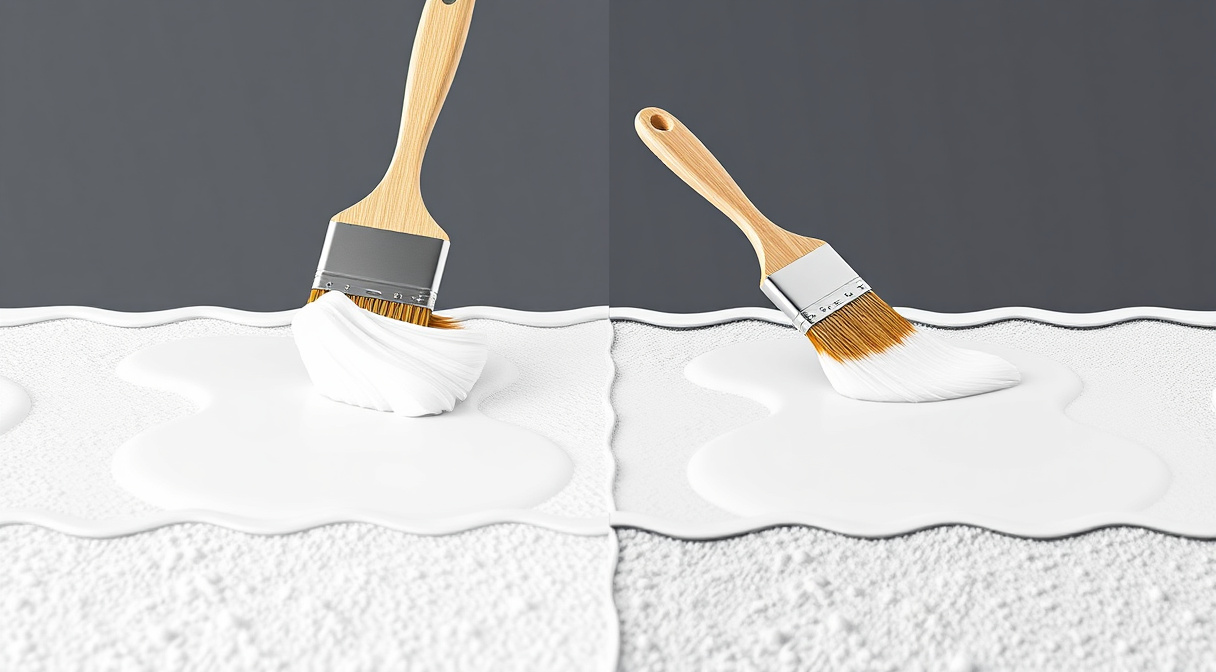
The coating is what makes a foam roof last and what restores an aging metal or single-ply roof — and the two most common choices, silicone and acrylic, each have real strengths. Choosing the right one for your climate, your roof's drainage, and your budget is one of the most important decisions in the life of the roof. Here's a clear comparison.
Silicone roof coatings
Silicone is the premium performer in wet conditions. It's highly water-resistant and, crucially, holds up under ponding water — standing water that would break down other coatings over time. Silicone also weathers exceptionally well under UV, staying flexible and protective for years without becoming brittle. For roofs in wet climates, roofs with drainage challenges, or any roof where water tends to pond, silicone is usually the right call.
The trade-offs: silicone tends to cost a bit more, it can hold dirt (slightly reducing reflectivity over time unless cleaned), and recoating silicone generally requires silicone again. But for wet-climate and ponding-prone roofs, its performance justifies the choice.
Acrylic roof coatings
Acrylic is the versatile, cost-effective workhorse. It's water-based, highly reflective (excellent cool-roof performance), easy to apply, and easy to recoat down the road. In drier climates where ponding isn't a major concern, acrylic delivers outstanding reflectivity and value, and its ease of recoating makes lifecycle maintenance simple and economical.
The trade-off is water tolerance: acrylic is water-based and not ideal for roofs with chronic ponding, since prolonged standing water can soften it. In the right climate, though, it's hard to beat on reflectivity and cost.
How to choose for your roof
Four factors drive the decision:
- Climate — wet and humid favors silicone; hot and dry favors acrylic.
- Drainage — if your roof ponds water, silicone is the safer choice.
- Reflectivity priority — both are reflective, but acrylic excels and stays bright easily.
- Budget and recoat plan — acrylic is often more economical to apply and recoat.
It's also worth remembering that both coatings do the same essential jobs: they protect the foam (or the existing roof) from UV, create a seamless reflective cool-roof surface, and provide the renewable layer that keeps the system under warranty. The choice between them is about optimizing for your conditions, not about one being universally 'better.'
Application matters more than the label
Whichever coating you choose, it only performs if it's applied correctly — clean substrate, proper priming where needed, and the specified dry-film thickness (in mils) across the entire roof. Under-applying coating to shave cost is a false economy that shortens the roof's life and can void the warranty. We apply coatings to the manufacturer's spec, verify coverage, and document it — and we help you pick the coating that fits your roof in the first place. Call 844-967-5247 for a free assessment.
Frequently asked questions
It depends on the roof. Silicone is better for wet climates and roofs that pond water — it resists standing water and weathers beautifully under UV. Acrylic is better in drier climates where reflectivity and cost lead, and it's easy to recoat. We recommend the one that fits your climate, drainage, budget, and warranty goals.
Generally, silicone must be recoated with silicone, while acrylic offers more flexibility. This is one reason the initial coating choice matters — it affects future maintenance. We factor the long-term recoat plan into the recommendation we make for your roof.
Ready for a free roof assessment?
Tell us about your building and we'll build a clear scope and transparent quote.